There are things girls learn very early—how to keep quiet, how to endure, how to hide discomfort in their bodies and still function. Many of these lessons are taught silently, passed down through reactions, expressions, or dismissal. A complaint becomes “nothing.” Pain becomes “normal.” Questions become shame. This has been transmitted from one generation to the next; it’s a detrimental habit that needs to be eliminated, and this is completely supported by evidence.
As a woman and mother, I have watched how easily women’s physical pain can be misunderstood. As a nurse, I have seen how quickly non sexual biological conditions are mislabeled as “sexual diseases,” even when they have nothing to do with sexual activity or transmission. As your coach, I want to share this information with you clearly and compassionately, using straightforward terms while being mindful of the words involved. Your well-being is my priority, and it’s important that you feel understood and supported.
There is no room for shame in the light of truth. Because God took such care in our creation, seeking to understand our bodies is a form of worship. We reject the misconceptions of the world and embrace stewardship, caring for our health as the precious gift it truly is.
This conversation is for girls, working women, mothers, caregivers, and men. It is an honest conversation.
Between the ages of 14 and 24, the female body is a construction site. Hormones shift. pH levels change. Skin and internal systems adjust. When no one explains these changes, normal biological experiences can feel frightening, confusing, and isolating.
Today, we are de-stigmatizing the itch, the bump, and the burn. As a nurse and a coach, I am tired of seeing girls carry lifelong trauma for conditions rooted not in wrongdoing, but in misunderstanding and misinformation.
Let’s break down what is actually going on.
1. “Mom… It’s itchy down there. I even feel small bumps.”
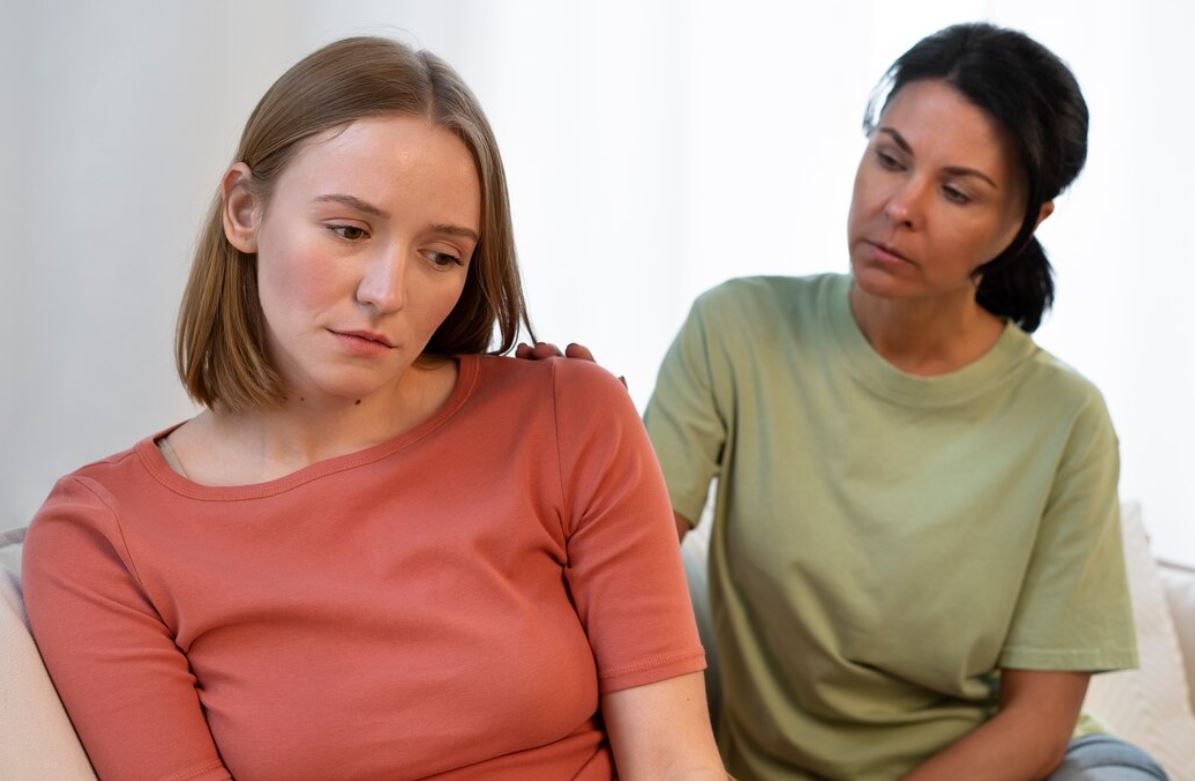
Saying that out loud takes courage. Your heart is racing. You’re embarrassed. You’re asking for help — and sometimes the answer is a quick dismissal: “Just wash yourself properly. It’s nothing.”
Other times, it’s worse. A look crosses her face. Suspicion. Suddenly, your pain is being quietly linked to something you didn’t do. Assumptions about sexual behavior replace concern, and you’re left feeling ashamed for even speaking up.
But the truth is far simpler. Maybe you changed your laundry soap. Maybe the bath products are heavily scented. Maybe you used an unclean bathroom. Maybe your pad or underwear is irritating your skin — too tight, too old, or worn too long. Maybe moisture is being trapped after washing or sweating. In plain terms, your skin is reacting and saying, “This doesn’t work for me.”
And here’s a myth that needs to go away:l: this does not happen only to “dirty” girls or sexually active girls. That belief is wrong and harmful, and traumatizing. These reactions are common, especially in young girls. They are treatable. And asking for help is not something to be ashamed of — it’s exactly what you should do.
2. Painful and heavy periods can feel like your body is working against you.
The cramps are brutal — so sharp that even moving feels like work. Diarrhea comes suddenly. Nausea rises in waves, sometimes ending in vomiting. Headaches pound, making it hard to think or focus. Even your honey bun feels swollen, sore, and painfully sensitive, while your pads soak through faster than you can change them.
Yet, life expects you to keep going. You still have to go to school, sit through meetings, complete your chores, show up at work, and act as if everything is normal, even when your body is fighting a significant battle inside. Sometimes, you don’t want to rely on painkillers every month; instead, you believe that rest, hanging your legs, and hydration could be more beneficial, but who really understands? What makes it even harder is the silence. You’re afraid to ask for a break. You’re scared to say, “I’m not okay,” even though you’re not sick. So, you endure, pushing through pain that you shouldn’t have to carry in fear.
You can’t tell anyone—not your teacher, not your mother—because they might dismiss you. Or worse, mock you. “Are you really the first girl to have this?” they whisper. “You’re lazy,” someone says, or even worse, “you got this from men.” Whispers in class make you feel small, like your pain isn’t real.
Your suffering is real. Your body is not being dramatic. Painful and heavy periods are common—but that doesn’t make them any less serious or exhausting. You deserve understanding, care, and space to rest.
You are allowed to:
- Ask for help without shame
- Take medicine or remedies that ease your pain, take a warm bath, and sleep
- Miss class or chores when your body demands it
- Speak honestly about what you’re feeling
Your period is not a punishment, and your body is not failing.
If you are a father, brother, or boyfriend, your role matters. Take her pain seriously—listen without judgment, don’t make jokes, and don’t jump to assumptions about the cause. Support her in practical ways: give her space when she needs it, help with chores or tasks, or simply check in and ask how she’s feeling. Your understanding and respect can make a world of difference, showing her that her body, her discomfort, and her feelings are real, valid, and worthy of care.
3. “It feels itchy, irritated, and sometimes a thick white discharge that might look like cottage cheese, burning like fire”…..the thrush
Sometimes your down-there ecosystem gets a little out of balance. The yeast that normally keeps things smooth destabilizes. Your vagina naturally hosts tiny amounts of yeast and bacteria. Most of the time, they live quietly and keep things balanced, but they decide to party when their environment is disturbed by antibiotics, tight clothing, stress, or excess moisture. If you’ve been on some prolonged oral antibiotics, those meds might have killed the “good” bacteria that keep the yeast in check. High stress or a high-sugar diet can also trigger it.
Many girls think, “I did something wrong.” Nope. It’s your body doing its thing. It’s fixable.. can be treated safely, make a few adjustments here and there, and move on without guilt.
4. the scary lump-( Bartholinitis)
This is the one that makes girls and those around panic the most—and yes, the pain can be seriously intense, some even describing it as 10/10.
You have two tiny glands near your honey bun called Bartholin’s glands. Their job? To keep the area soft and moist, like little natural moisturizers.
Sometimes, though, the opening of the gland gets blocked. Think of it like a pimple forming on your face, but this one is tucked away in a super sensitive spot full of nerves. And unlike a tiny facial zit, it can swell much bigger, sometimes the size of a grape—or even larger—making walking, sitting, or wearing underwear extremely painful and can have very smelly discharge when it bursts.
Here’s the most important thing to know: this is not sexually transmitted. Not dirty. Not your fault. It’s just your body having a clogged “pipe.” A nurse practitioner or doctor can help drain it- small surgery, medicine can relieve the pain, and almost instantly, life gets a lot more comfortable.
5. Urinary Tract Infections ‘Burning sensation when I pee.’
Burning Sensation When I Urinate: A burning sensation when urinating, a constant urge to use the toilet, lower abdominal pain, and possibly a fever.
Girls and young women are particularly prone to UTIs because bacteria can easily travel up their shorter urethra, unlike in men, who have a longer urethra. Other contributing factors include holding urine for too long or dehydration. It’s important to note that UTIs have no connection to sexual activity, and they can happen to anyone. The good news is that urinary infections are common and can be treated effectively. To help manage the situation, remember to drink plenty of water, maintain good hygiene, and clean the genital area from front to back every time you use the toilet. If you experience symptoms, be sure to see a doctor. Most importantly, don’t blame yourself; no one should feel ashamed about this condition.
6. Hormonal discharge – your body’s self-cleaning magic
Sometimes, you notice clear, milky, or stretchy discharge. Panic sets in. “Is this wrong? Am I dirty?”Relax. This is normal. The female body changes hormones, which changes your discharge. It’s your body’s self-cleaning. Healthy. Expected. Not sexual. Not dirty.
Unless it’s chunky, smells like fish, or causes intense itching, it’s a sign that your body is functioning exactly as God designed it to.
It’s a good idea to change your innerwear (preferably non-synthetic) every six months. Fabrics can lose their absorbency and elasticity over time, and even after washing, older underwear might not be as fresh, potentially leading to irritation or infection. Keeping things fresh can help you feel your best. Going without panties ( “going commando”) isn’t a cure‑all, but it can help in certain situations — especially when your area down there needs airflow, dryness, and less trapped moisture. This works well when sleeping.
7. Pad Rash & Period Poverty (The Silent Struggle)
This is where the medical meets the social, and it’s a conversation we must have.
Some of the worst discomforts happen during your period—and not just the cramps. Pad rash is real. That painful, stinging redness on your inner thighs or down there that makes even walking or sitting a challenge.
Why does it happen? Sometimes it’s because a pad sits against the skin for too long.
Friction, moisture, and sensitivity combine, and suddenly your period feels ten times worse.
For many girls, staying in a pad for too long isn’t a choice—it’s a necessity. They may not be able to afford extra pads, or they might be at school and too embarrassed to ask for one. There may also be no clean place to change. This situation is known as period poverty, and it is a real, silent, and stressful issue.
Misconceptions make it worse. People whisper, “Why didn’t you change?” or assume it’s a hygiene problem. But sometimes, you literally don’t have the resources or knowledge. That’s not entirely your fault. But don’t be scared to reach out.
Your body deserves care, dignity, and comfort. You are allowed to advocate for yourself, to ask for help, and to stay healthy during your period.
Remember: your period is natural. The struggle is real, but it does not define you, and it is not your fault. You deserve understanding, support, and relief.
The Final Mindshift
As a nurse, I can give you treatment. As a coach, I want to give you your power back.
When we label these common issues as “gross” or “shameful,” we teach young girls to hide their pain. That silence is where trauma grows. Your body is a temple, yes—but even temples need maintenance and a good plumber sometimes.
Stop apologizing for having that woman’s body. If you’re feeling “off” down there, don’t spiral into Google-diagnosing yourself with something scary. Talk to a professional. Reach out. You are fearfully, wonderfully, and biologically set.
Prayer
Dear God, thank You for creating me a woman, fearfully and wonderfully made. Thank You for my body, my heart, and my mind. Help me care for myself with love and patience, especially when my hormones fluctuate, for they have a purpose.Teach me to be strong, courageous, and confident in who I am. Give me a heart that cares for others compassionately, without judgment, and the wisdom to offer help where it is needed. Surround me with understanding, guide me through challenges, and remind me that I am valued, beautiful, and capable in every way.
In Jesus Christ’s name, Amen.
Hey, I’m Angeline, your RN, also a Counselor and founder of Finally Am Found. With a heart for mentorship, I’ve been guiding teens and young adults since 2017. As a Registered Nurse, I blend medical expertise with personal experiences to create a Christ-aligned space for self-discovery. Connect with Angeline on Facebook and let the journey to self-discovery begin!
 1
1